Roasted coffee is a fresh food. From the moment it leaves the roaster it slowly loses aroma. Good storage won't make coffee taste better, but it keeps the last cup in the bag almost as good as the first.
Coffee's four enemies
- Air: oxygen oxidises coffee oils, flattening aroma and leaving a stale taste.
- Moisture: coffee absorbs humidity and odours quickly, especially once ground.
- Heat: high temperatures speed up flavour loss.
- Light: direct sunlight degrades coffee faster.
The best way to store it
- Keep it in its original one-way valve bag. The valve lets CO₂ escape without letting air in. After each use, press the air out and seal the zip or clip the top.
- Or move it to an airtight, opaque container (ceramic, steel, tinted glass), sized so there's little empty space.
- Keep it cool, dry and out of the sun, such as in a kitchen cupboard away from the stove and microwave.
- Buy what you'll use in 2–4 weeks. That's why 1021 comes in both 1 kg and 500 g bags.
Should coffee go in the fridge?
No. Every time you take it out, moisture condenses on the beans, which dampens them and speeds up staling. Coffee also picks up food odours in the fridge.
If you buy in bulk and need to keep it longer, divide it into small, vacuum-sealed portions and freeze them. Let each pack reach room temperature before opening it, and never refreeze a thawed pack.
How long does coffee taste its best?
| Type | Best within | Note |
|---|---|---|
| Whole bean, unopened | About 1–2 months from roasting | Let it rest a few days after roasting before brewing |
| Whole bean, opened | About 3–4 weeks | Grind just before brewing |
| Ground, opened | About 1–2 weeks | More surface area means faster aroma loss |
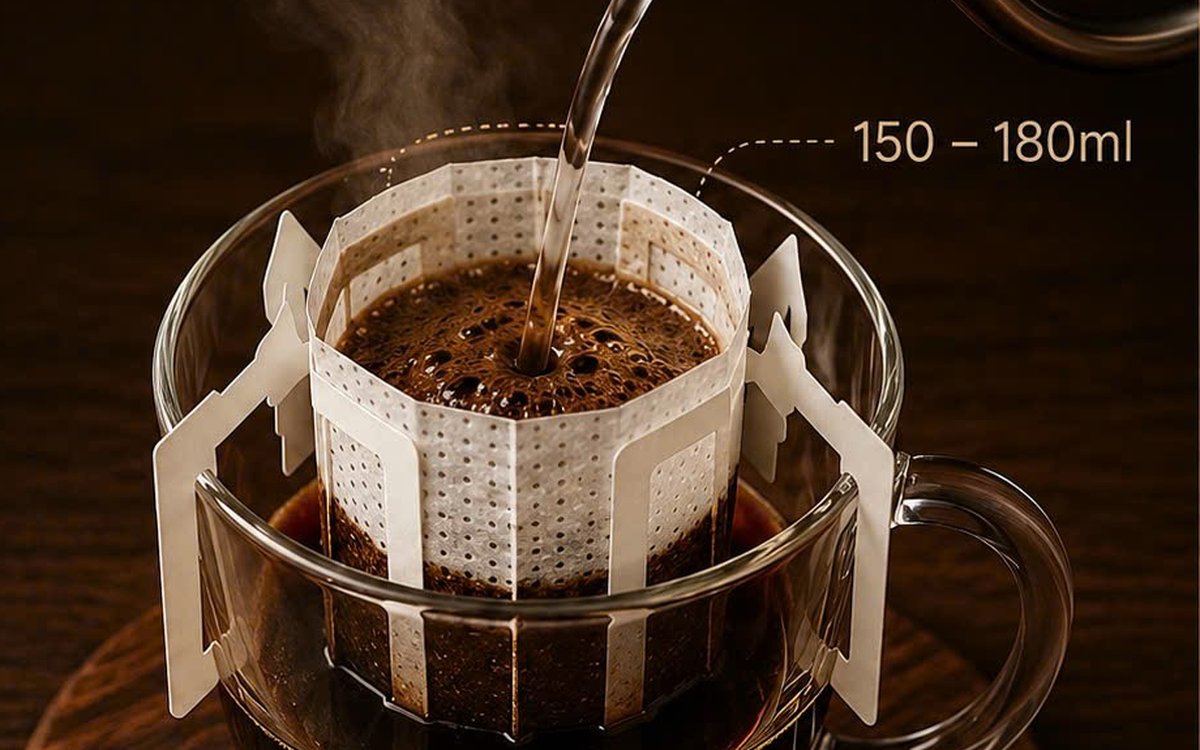
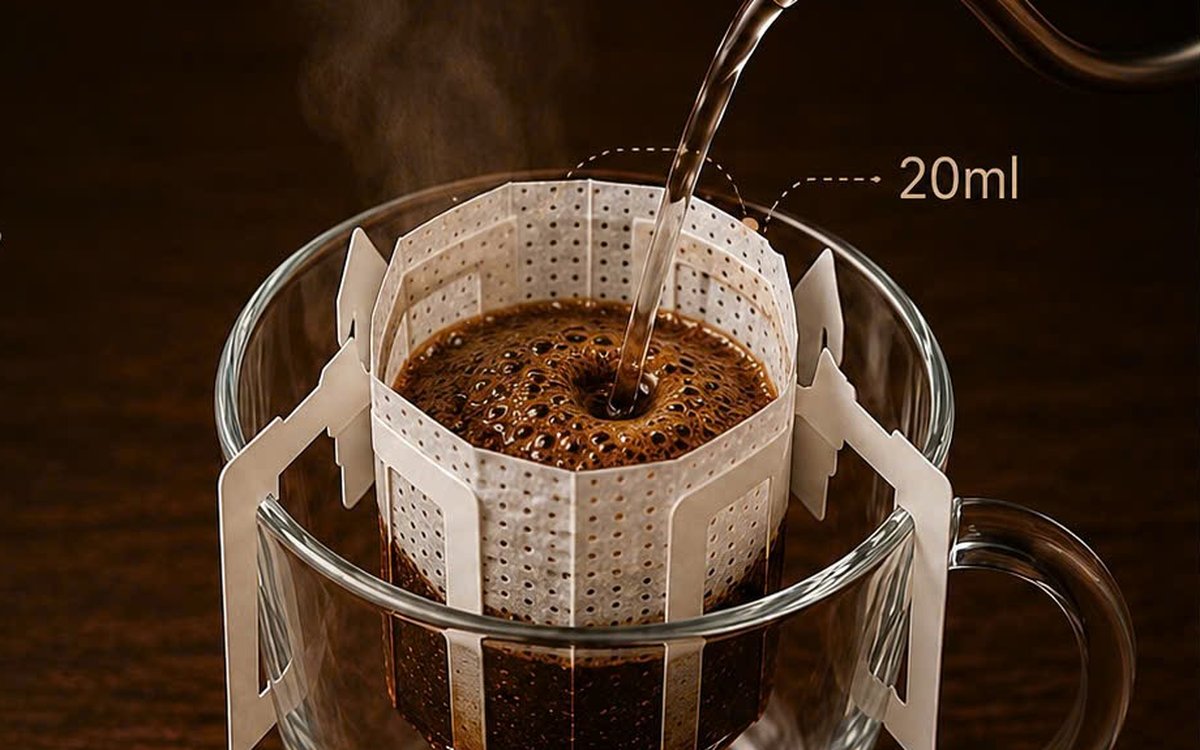
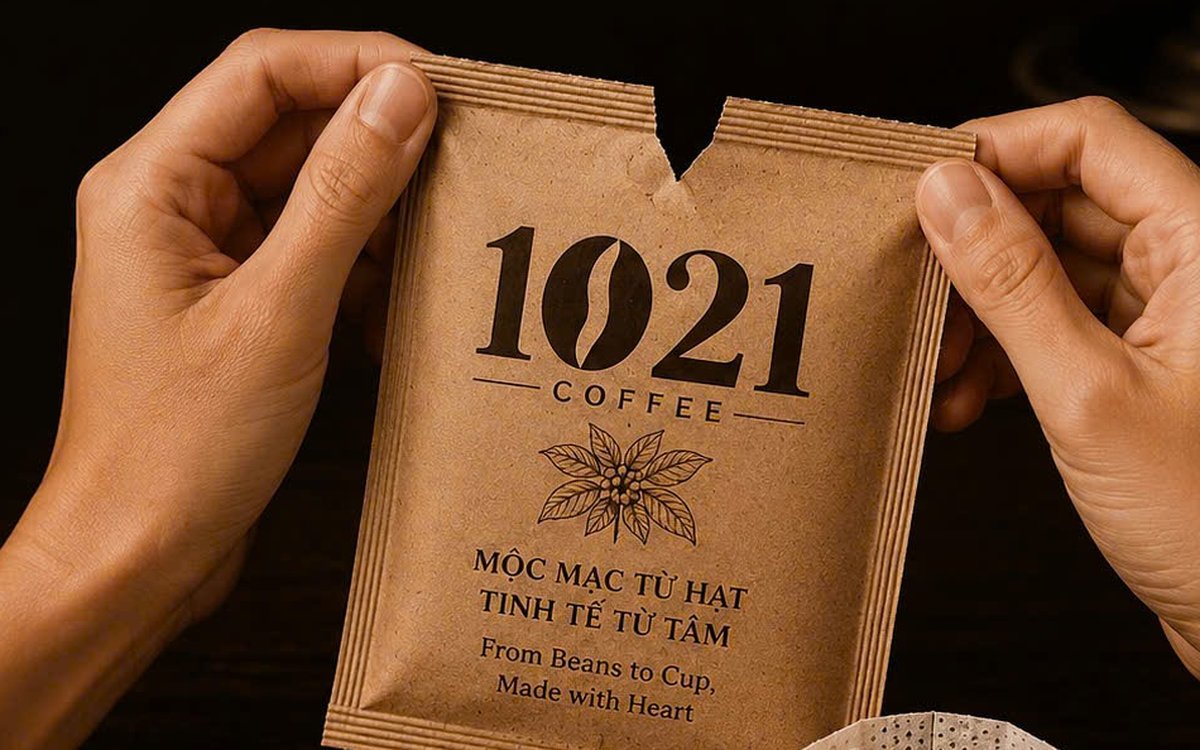
| Drip bags, individually sealed | By the date on the pack | Each bag is protected on its own |
Older coffee isn't harmful, just less aromatic. Every 1021 bag carries its roast date so you know exactly how fresh your coffee is.