Mention Vietnamese coffee and most people picture the bold Robusta of the Central Highlands. But a little over 20 km south-east of central Đà Lạt, on hillsides often wrapped in morning mist, lies Cầu Đất, one of the best-known Arabica growing areas in Vietnam.
High and cool
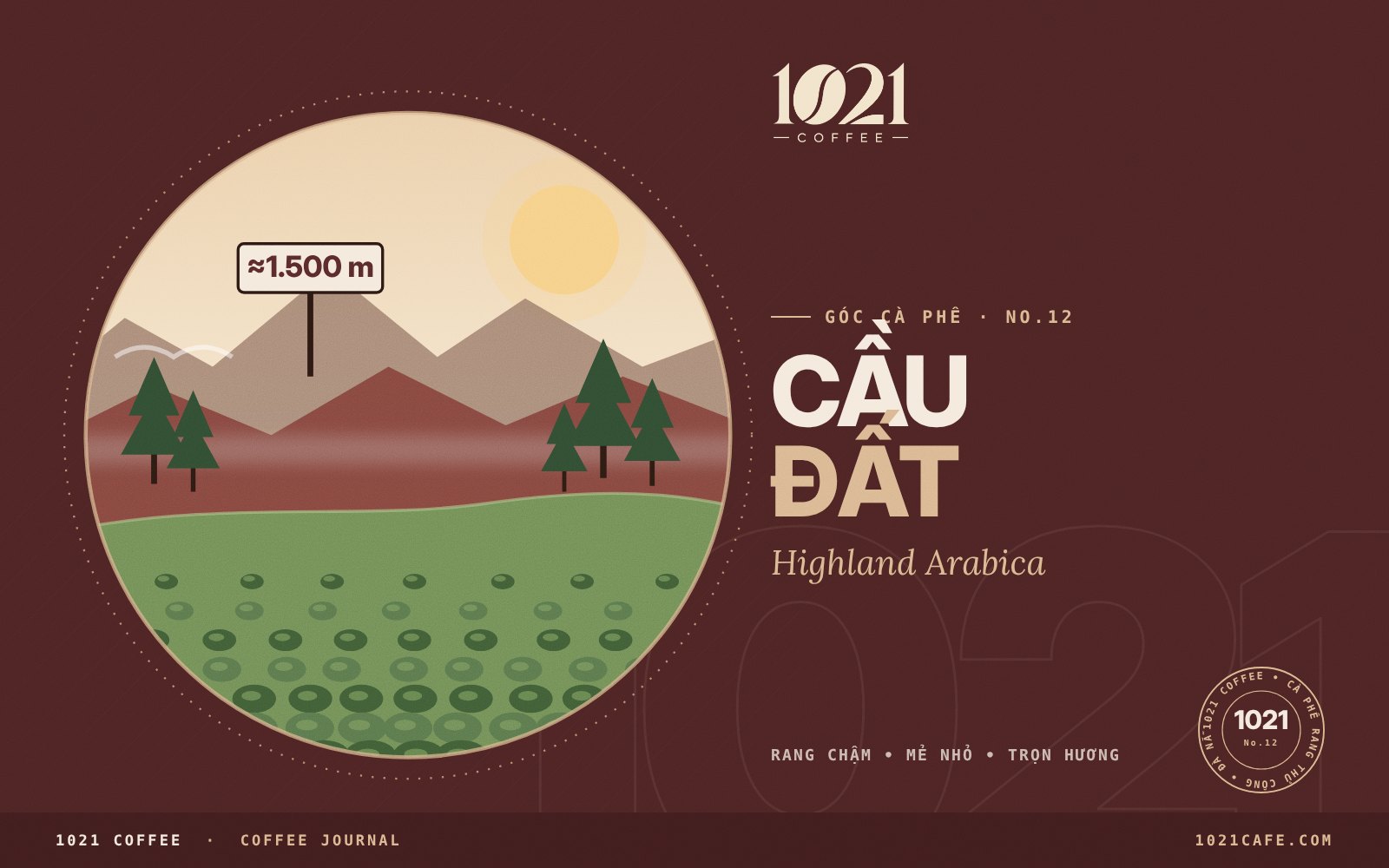
Cầu Đất sits on the Lâm Viên plateau at roughly 1,500–1,650 m above sea level. It stays cool all year, with a clear difference between day and night temperatures and distinct wet and dry seasons. That suits Arabica, which handles heat far less well than Robusta and tends to produce better coffee in cool, high places. The area is also known for its tea hills and vegetable farms, which tells you a lot about how mild the weather is. Coffee here grows on slopes, often alongside other crops, rather than in vast lowland plantations.
How Arabica arrived
According to many accounts, the French brought Arabica to the Lâm Đồng highlands in the early 20th century, around the time Đà Lạt was being developed along with nearby tea and coffee estates. Over the generations, coffee has become part of local life. Today many farms grow hybrid varieties such as Catimor for their yield and disease resistance, while some keep or have replanted older varieties like Typica and Bourbon.
What altitude does to flavour
| Factor | Common effect |
|---|---|
| Lower temperatures | Cherries ripen more slowly, with more time to build up sugars and acids |
| Slow ripening | Beans are often denser and hold more aroma compounds |
| Warm days, cold nights | Contributes to brighter acidity and more complex aroma |
| Fewer pests than lowlands | Steadier plant growth and more even beans |
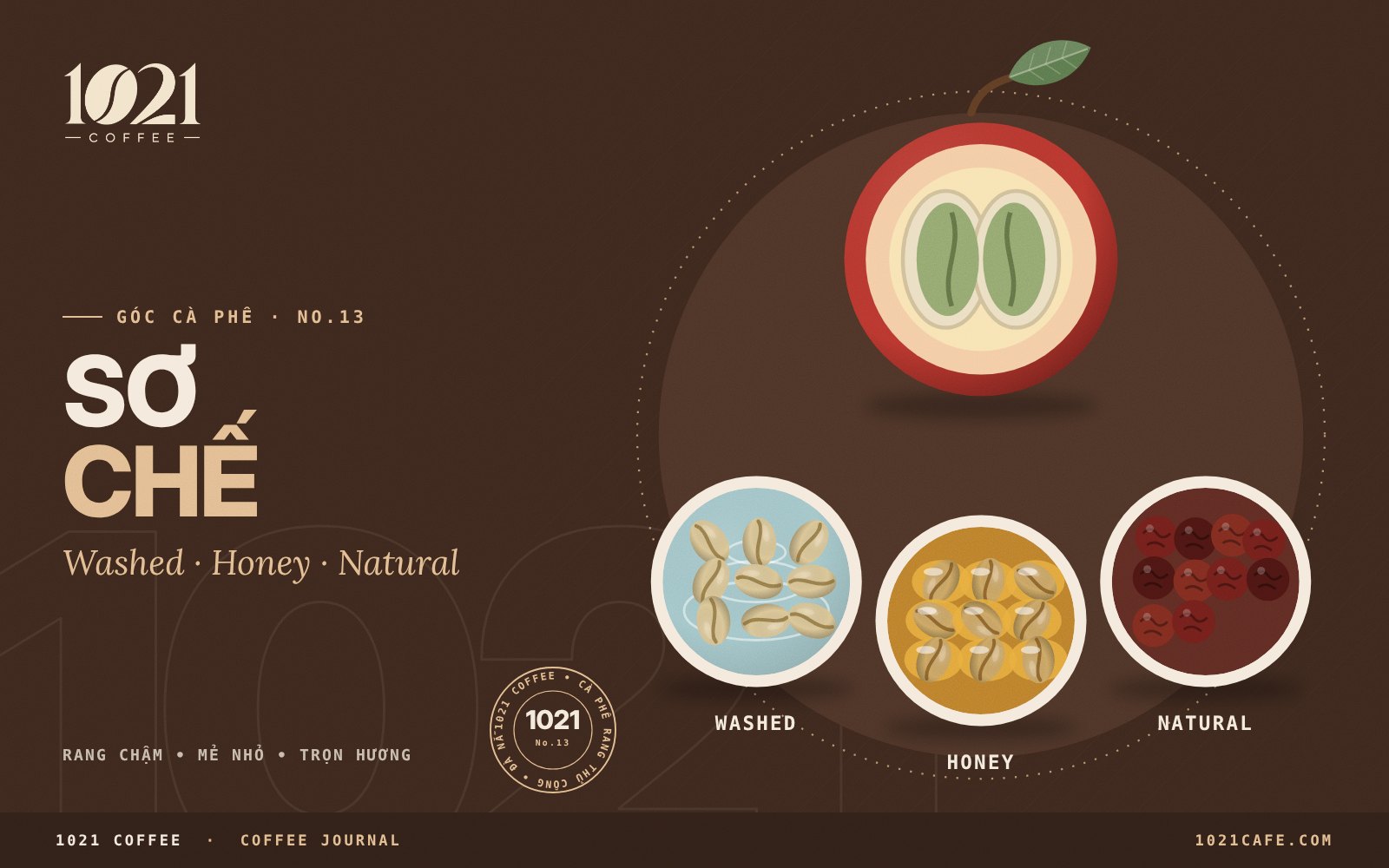
Altitude is only part of the story, though. Variety, soil, farming, processing and roasting all shape the final cup, and two Arabica lots from the same hills can taste quite different.
So what does it taste like?
There's no single "Cầu Đất flavour", but highland Arabica from Lâm Đồng is often described as gently bright with a sweet finish and medium body, with notes such as ripe fruit, caramel or chocolate. Compared with Robusta, the cup is lighter, more aromatic and less bitter. For more on the two species, read Arabica vs Robusta.
Getting the most from highland Arabica
- Drink it black: brew as pour-over, or in a phin with a slightly smaller dose, so the aroma comes through.
- Blend it with Robusta: a share of Arabica in your phin keeps the strength but adds fragrance and roundness.
- Grind just before brewing: Arabica's aroma fades fast, so whole beans are the way to go if you own a grinder.
The species, origin and blend of each 1021 coffee are listed in the specifications on its product page.