Grind size controls how fast water extracts flavour from coffee. The finer the grind, the larger the surface area and the faster the extraction. So each brew method needs its own grind: short contact time needs a fine grind; long contact time needs a coarse one.
Grind chart
| Method | Grind | Looks like | Brew time |
|---|---|---|---|
| Espresso | Fine | Slightly gritty flour | 25–30 s |
| Moka pot | Medium-fine | Fine sand | 4–5 min |
| Pour-over (V60) | Medium | Beach sand | 2.5–3.5 min |
| Phin | Medium to slightly coarse | Fine sea salt | 4–6 min |
| French press | Coarse | Coarse sea salt | 4 min |
| Cold brew | Very coarse | Raw sugar, cracked pepper | 12–18 h |
Reading your cup
- Sour, weak, thin: under-extracted. Grind a little finer.
- Harsh, bitter, drying: over-extracted. Grind a little coarser.
- Change one thing at a time (grind, dose or water temperature) so you know what made the difference.
Whole bean or pre-ground?
If you have a grinder, whole bean is always best: you control the grind for each method and the coffee stays fresh much longer. Burr grinders give a more even grind than blade grinders.
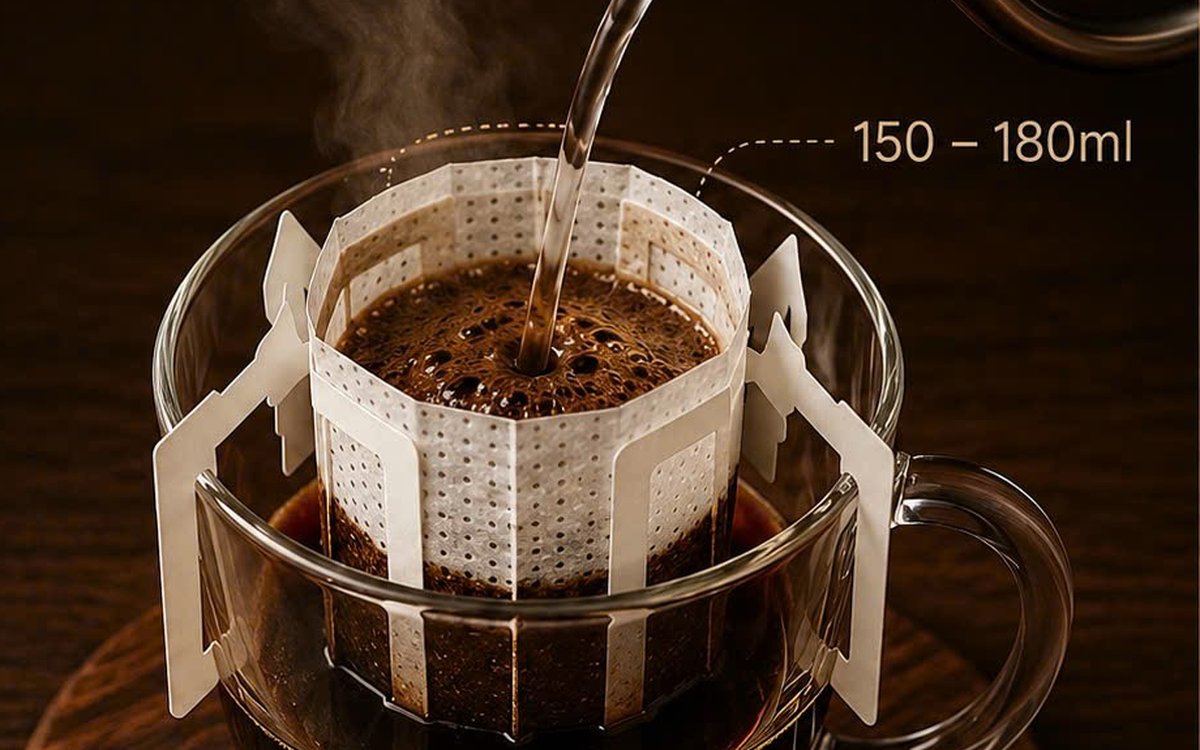
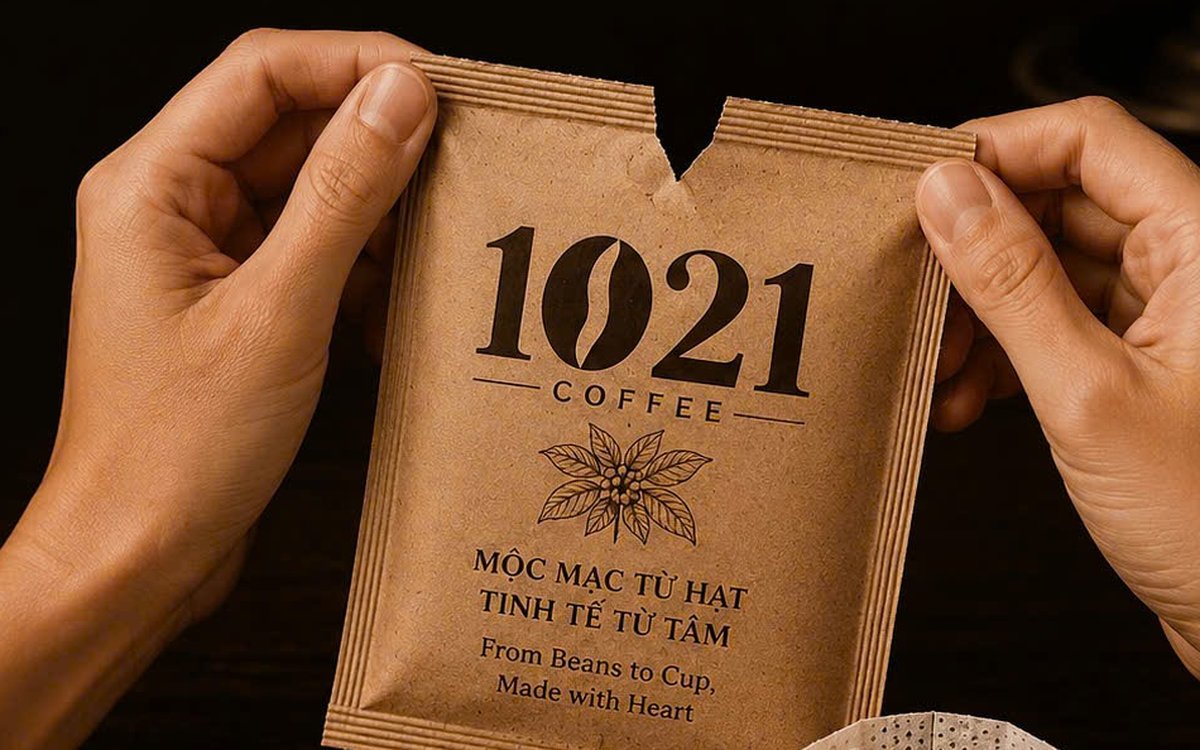
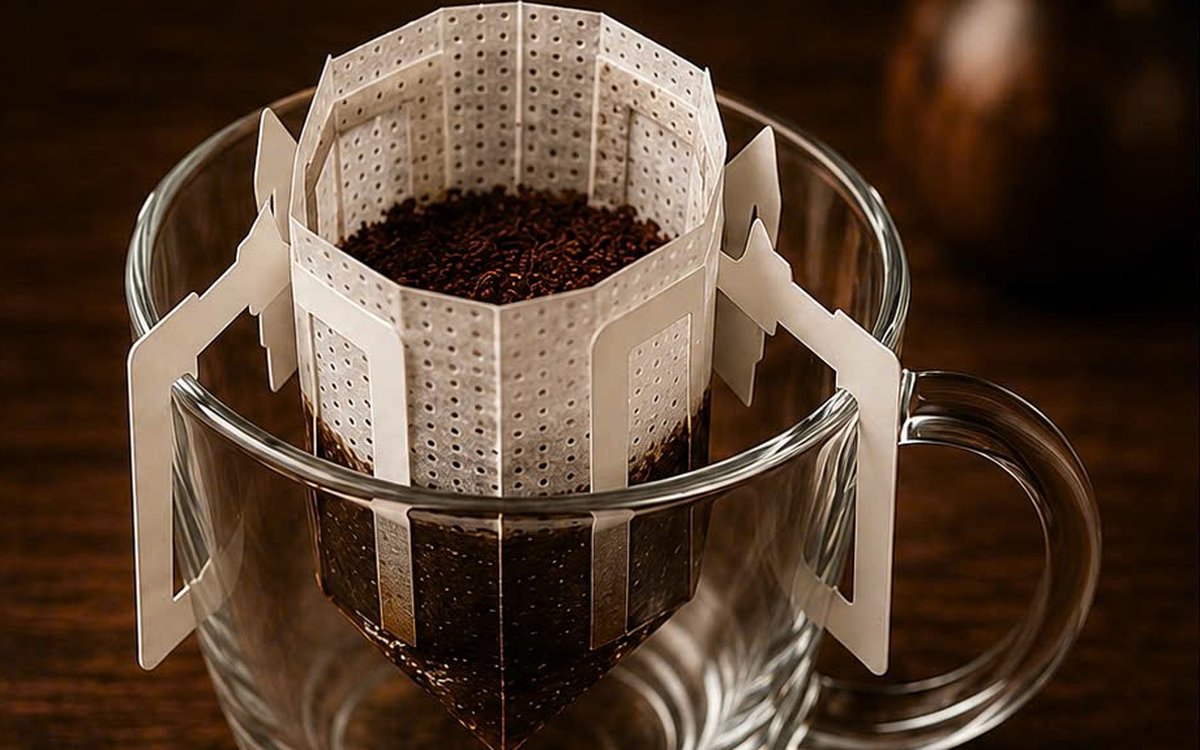
If you mostly brew with a phin, 1021 pre-ground coffee is ground right for the phin and French press. For a quick cup at the office or on the road, drip bags are the easiest.